
ECOSOC
Strategies to regulate the trade of human organs within and across borders
ECOSOC
The Economic and Social Council (ECOSOC), under the overall authority of the General Assembly, coordinates the economic and social work of the United Nations2. They design laws, policies, programmes and services needed to foster international cooperation for development. ECOSOC's job encompasses so many topics that it has multiple commissions to assist it. Some are referred to as functional commissions, such as UN Women (UNW), while others are regional commissions, such as the Economic Commission for Africa (ECA).
The UN Charter mandates ECOSOC to:
- Promote higher standards of living, full employment and economic and social progress
- Find solutions of international economic, social and health problems
- Promote international cultural and educational cooperation
- Promote universal respect for, and observance of, human rights and fundamental freedoms for all without distinction as to race, sex, language or religion.
The organization was established by the UN Charter in 1945 and started off with 18 members. Today, it has 54 members, elected by the General Assembly for three-year terms. It meets throughout the year and holds a major session in July, during which a high-level meeting of Ministers discusses major economic, social and humanitarian issues. The most important documents that inspire the works of this organization are the Universal Declaration of Human Rights (art. 1 and 2), the Sustainable Development Goals and the United Nations Development Agenda (UNDA).
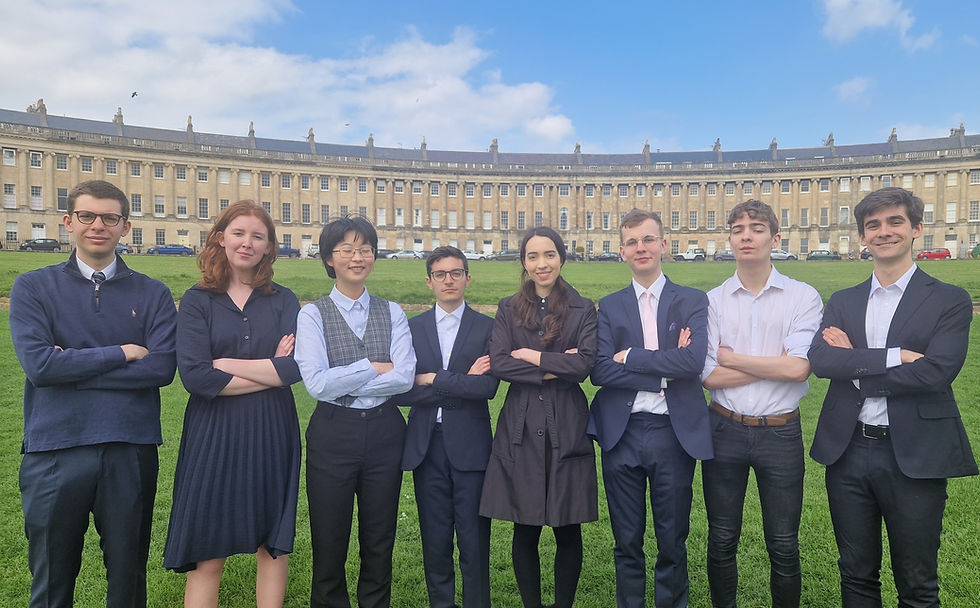
THE DAIS


